
 In Stock
Anti-Aging
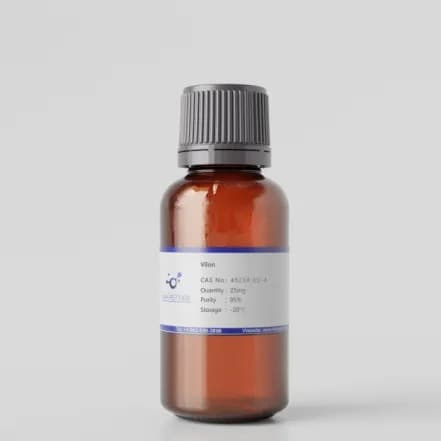
Vilon
$108.00Was $148.00Save $40
A dipeptide (Lys-Glu) derived from the thymus used in aging and immune regulation research. Studies peptide bioregulation and longevity mechanisms.
Specifications
- CAS Number
- 45234-02-4
- Purity
- >98% by HPLC
- Form
- Lyophilized powder
- Storage
- Store at -20°C. Stable for 24 months when stored properly.
- Solubility
- Soluble in sterile water
- Target
- DNA/chromatin interactions; thymic immune cell signaling; cell cycle and apoptosis regulatory genes
- Sequence
- Lys-Glu (L-lysyl-L-glutamic acid, dipeptide)
- Molecular Formula
- C11H21N3O5
- Molecular Weight
- 275.3 g/mol
Quantity
1× $108.00 = $108.00
View CartCOA Soon
Research Overview
Vilon (Lys-Glu) is a synthetic dipeptide bioregulator developed by Professor Vladimir Khavinson at the St. Petersburg Institute of Bioregulation and Gerontology as part of his foundational research into short peptide bioregulators. The contrasting electrostatic properties of basic lysine and acidic glutamic acid enable the dipeptide to interact with chromatin architecture — potentially bridging between negatively charged DNA phosphate backbones and positively charged histone proteins — thereby modulating gene expression without acting as a classic pharmacological receptor ligand. This epigenetic-like mechanism of chromatin interaction distinguishes Vilon from receptor-targeted peptides.
Research demonstrates that Vilon potently stimulates thymocyte proliferation, upregulates T-cell surface markers (particularly CD5), and normalizes lymphocyte counts following immunosuppression, indicating thymic immune system restoration. In tumor biology studies, Vilon exhibits dose-dependent inhibition of multiple human cancer cell line proliferation (including hepatoma H22 and other solid tumor lines) while sparing normal leukocytes — a selective cytostatic profile that suggests potential applications in cancer prevention research. Animal studies confirm that systemic Vilon administration inhibits spontaneous tumor development and significantly extends lifespan in tumor-prone mouse strains.
In aging research, Vilon is classified as a "cytomaxe" bioregulator, with evidence that it reduces markers of cellular senescence, restores age-impaired gene expression patterns, and promotes epigenetic rejuvenation of thymic tissue. Studies on Drosophila melanogaster and mammalian models show lifespan extension effects. Research applications include immunosenescence, cellular aging biology, anti-tumor peptide pharmacology, and the broader field of peptide bioregulation as an approach to healthy longevity.
Research Use Only — Important Notice. For research use only. Not for human or veterinary use. Not intended for diagnostic or therapeutic purposes. Keep out of reach of children.
Research & Laboratory Use Only
All products on this site are sold strictly for research and laboratory use only. They are not intended for human consumption, diagnostic, or therapeutic purposes. Some compounds like Semaglutide and Tirzepatide are being studied in clinical settings for metabolic research and weight management, but any human use is outside the scope of this website and should only be done under medical supervision.